The Phantom On Social Media


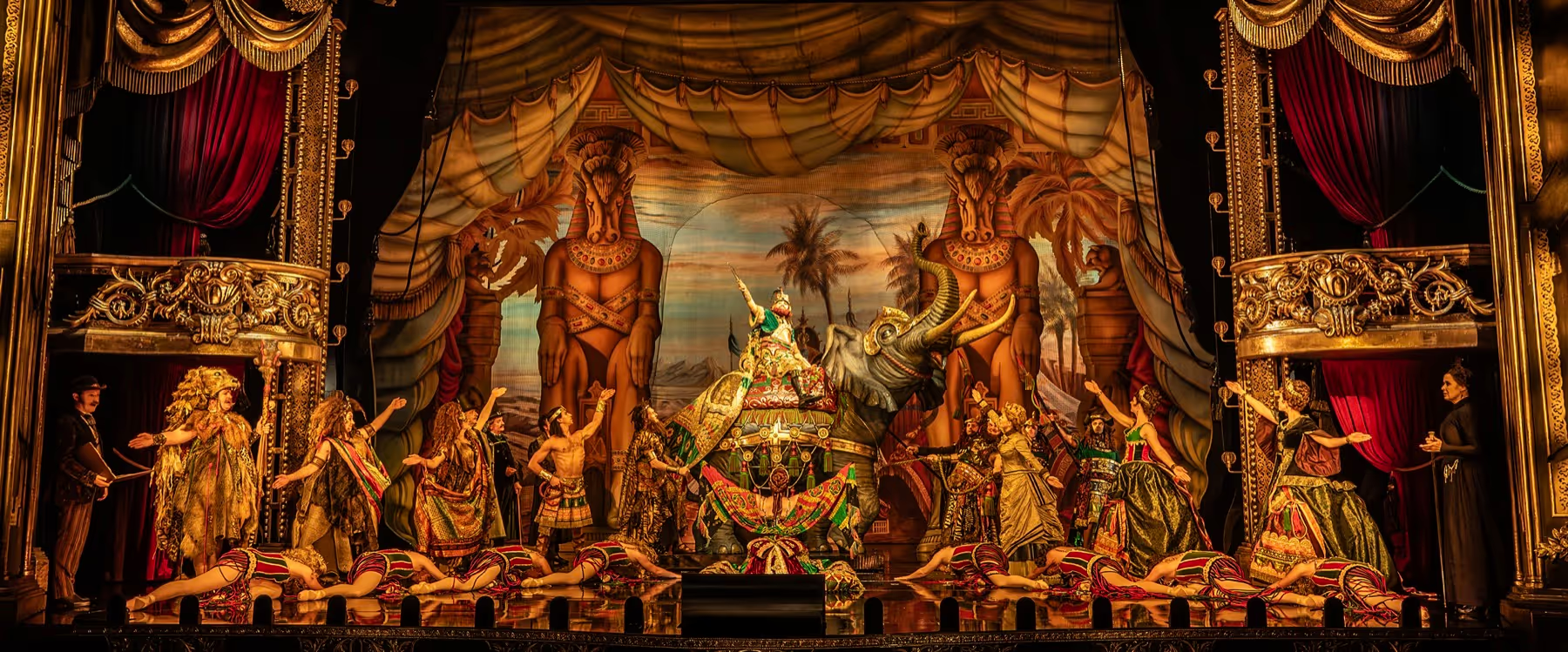
At Her Majesty’s Theatre in London on 9 October 1986, The Phantom of the Opera premiered unlike anything audiences had seen. The scale felt cinematic, the staging felt revolutionary, and the emotion landed hard. From the first organ chords to the chandelier’s carefully engineered fall, it was clear that musical theatre had entered a new era. Previews had begun on 27 September, and by opening night the production’s precision already felt electric.
Michael Crawford’s Phantom was praised for both menace and vulnerability. Sarah Brightman’s crystalline vocals made Christine Daaé indelible. With Steve Barton as Raoul, the central trio gave the story a pulse that filled the theatre night after night. Around them, an immense backstage operation ran with near-orchestral timing, moving hundreds of costume pieces and wigs through quick changes that kept the world of the opera house alive in every scene.
Critics noted the ambition, the design, and the control. Audiences did the rest. Tickets quickly became some of the most coveted in the West End, and word of mouth turned a new musical into a cultural event. The chandelier became one of theatre’s most recognisable moments because it served the drama, not just the spectacle, and “Masquerade” regularly gathered almost the entire company on stage to create a living tableau that felt as grand as it looked.
The original London production still plays today. It remains breathtaking, romantic, and technically exacting, a living piece of theatre history that continues to welcome new audiences as well as devoted 'Phans'.
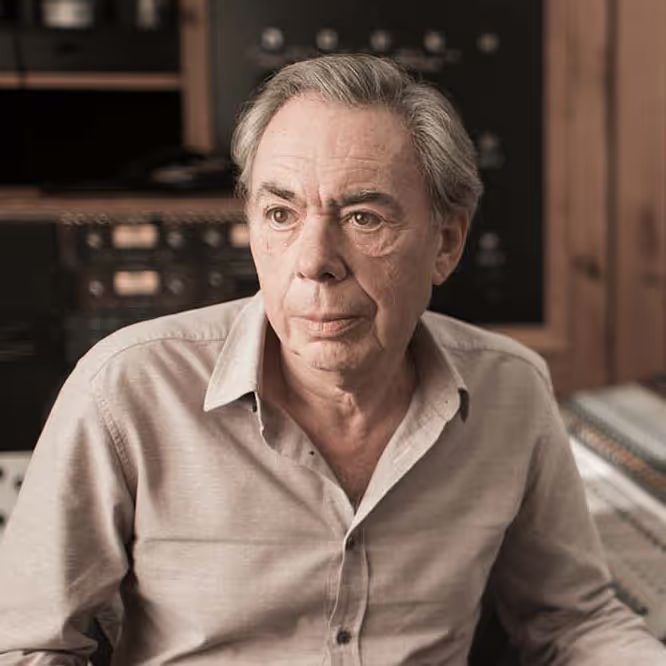
Andrew Lloyd Webber has composed the scores of some of the world’s most famous musicals. His shows have run continuously in London’s West End for 50 years and ran for 43 uninterrupted years on Broadway.
When the original Sunset Boulevard joined School of Rock, CATS, and The Phantom of the Opera he equalled Rodgers & Hammerstein’s record of four shows running simultaneously on Broadway. He is one of the select group of artists with EGOT status, having received Emmy, Grammy, Oscar, and Tony Awards.
Lloyd Webber owns six London theatres including the iconic London Palladium and Theatre Royal Drury Lane. Reopened in July 2021, the latter was completely restored and renovated at a cost of over £60 million. This was one of the biggest projects ever undertaken by a private theatre owner in recent times. His mantra is that every penny of profit made from his theatres is ploughed back into the buildings for their conservation and development.
Lloyd Webber is passionate about the importance of musical education and diversity in the arts. Andrew Lloyd Webber Foundation provides 30 performing arts scholarships every year for talented students with financial need, and supports a range of projects such as the Music In Secondary Schools Trust (MiSST).
In academic year September 2025 - 2026, 14,885 children are being given free musical tuition and instruments as part of MiSST's Andrew Lloyd Webber Programme. The Foundation also commissions research into diversity in theatre.
Andrew Lloyd Webber has composed music for globally significant moments. Most recently, he was asked to compose “Make a Joyful Noise”, the anthem for the Coronation of King Charles III.
Andrew Lloyd Webber was knighted in 1992, created an honorary life peer in 1997, and made a Knight Companion of the Most Noble Order of the Garter by King Charles III in 2024. He is the only person in the arts ever granted this personal honour by a monarch.
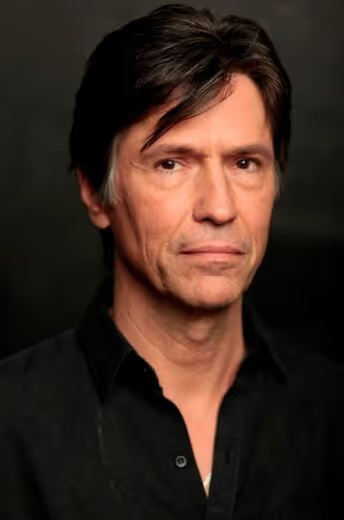
CHARLES HART writes words for music. Operas include: Marx In London (Jonathan Dove, Stadttheater Bonn); Benvenuto Cellini (Hector Berlioz, English National Opera); The Vampyr (Heinrich Marschner, BBC TV). Musicals include: Bend It Like Beckham (Howard Goodall, Phoenix Theatre); Aspects of Love (Andrew Lloyd Webber, Prince of Wales Theatre); The Phantom Of The Opera (Andrew Lloyd Webber, Her Majesty's Theatre). Songs include: Seventeen (Claude-Michel Schönberg, sung by Russell Watson); Goodbye For Now (Richard Rodney Bennett, sung by Claire Martin); I Live This Life For Me (Michael Kunze, Sylvester Levay, sung by Pia Douwes). He has also provided both words and music for Granada TV comedies Watching (sung by Emma Wray) and Split Ends (sung by Anita Dobson), and a song-cycle for BBC Radio: Love-Songs (sung by Mary-Louise Clark).Charles Hart is the recipient of two Ivor Novello Awards, and has been nominated twice for a Tony award and once for an Academy Award. He was born in London, educated in Maidenhead and Cambridge, and lives and works in West London and East Anglia.
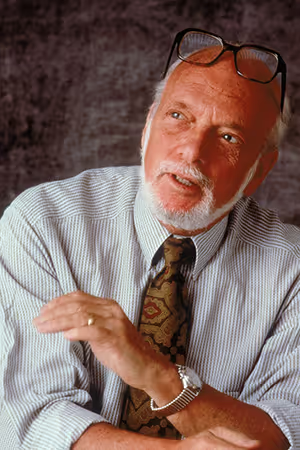
Hal Prince directed the original productions of Cabaret, Sweeney Todd, A Little Night Music, The Phantom of the Opera, She Loves Me, Company, Follies, Candide, Pacific Overtures, Evita, Parade, LoveMusik and Paradise Found.
Before becoming a director, Hal Prince’s productions included: The Pajama Game, Damn Yankees, West Side Story, Fiddler on the Roof, Fiorello! and A Funny Thing Happened on the Way to the Forum. Among the plays he directed are: Hollywood Arms, The Visit, The Great God Brown, End of the World, Play Memory and his own play Grandchild of Kings.
He prepared a new version of Phantom, which ran in Las Vegas at the Venetian Hotel from 2006 to 2012. His opera productions were seen at Lyric Opera of Chicago, the Metropolitan Opera, San Francisco Opera, Houston Grand Opera, Dallas Opera, Vienna Staatsoper and the Theater Colon in Buenos Aires. Prince of Broadway, a musical compendium of Mr Prince’s entire career, opened in Tokyo in 2015 and on Broadway in 2017. Mr Prince was a trustee for the New York Public Library and previously served on the National Council on the Arts for the NEA. Mr Prince was named an Officier in the Ordre des Arts et des Lettres.
He was the recipient of 21 Tony Awards, a Kennedy Center Honor and a National Medal of the Arts from President Clinton for a career in which ‘he changed the nature of the American musical’.
30 January 1928 - 31 July 2019
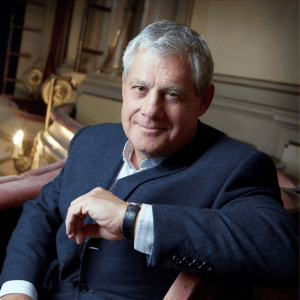
Cameron Mackintosh has been working in the theatre for almost 60 years and is the Producer of several of the most legendary musicals of all time, including The Phantom of the Opera, Cats and Les Misérables, alongside Miss Saigon, Mary Poppins (Disney), Little Shop of Horrors, and Hamilton in the UK, which he co-produces with Jeffrey Seller. Cameron has created three musical revues with Stephen Sondheim, including Side by Side by Sondheim, Putting It Together and most recently the hugely acclaimed Old Friends, starring Broadway legends Bernadette Peters and Lea Salonga in the West End and on Broadway. Cameron and Director Matthew Bourne’s newly reimagined production of Oliver! is playing in the West End.
In 2012 Cameron produced the Oscar®, Golden Globe and BAFTA award-winning film adaptation of Les Misérables, which is one of the most successful movies ever of an original stage musical. He also produced the spectacular 25th Anniversary Concert of The Phantom of the Opera at the Royal Albert Hall, which is still continually screened on television and in cinemas throughout the world.
Cameron owns and operates eight historic London theatres, which have all been spectacularly rebuilt and refurbished for the 21st century. The Sondheim, formerly known as the Queen’s, has been renamed in honour of Cameron’s great friend, theatrical legend Stephen Sondheim.
Music Theatre International (MTI) has been one of Cameron’s companies for over 30 years, representing one of the world’s oldest and largest libraries of secondary rights for many of the greatest musicals ever written, whilst also championing exciting new contemporary writers.
In 1990, Cameron inaugurated the Chair of Contemporary Theatre at St Catherine’s College, Oxford University, with Stephen Sondheim as its first visiting professor. The Professorship is now in its 35th year.
Cameron was knighted in the 1996 New Year’s Honours for his services to British theatre and, in June 2023, was awarded the Freedom of the City of London. In 2014, he became the first British producer ever to be elected to Broadway’s Theater Hall of Fame.
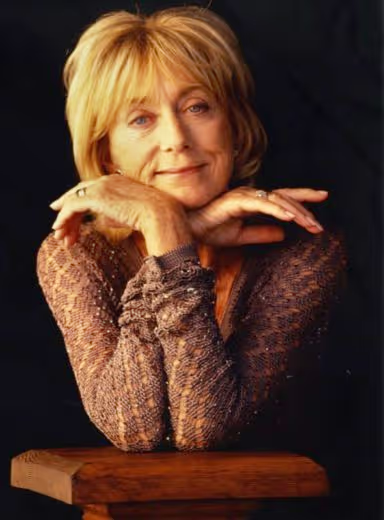
Gillian Lynne was the original creator and collaborator on many of the world’s most iconic musicals. As choreographer of Andrew Lloyd Webber’s Cats, The Phantom of the Opera and Aspects of Love, she combined her unique dance styles with her directorial and staging brilliance to create unforgettable theatrical moments.Her long and distinguished career embraced many disciplines: ballerina, dancer, performer, choreographer, director. Whilst best known for some of the longest-running and most popular theatre successes of all time, her work across many other art forms has also been groundbreaking: The Muppet Show Series (TV), Yentl and Half A Sixpence (Film), 60 plus shows on Broadway and the West End, Operas, Ballets, productions for the Royal Shakespeare Company, The Royal Opera House and TV.She received numerous accolades: two Olivier Awards (Cats 1981) and The Special Award for Lifetime Achievement (2013), Austria’s Silver Order of Merit, Golden Rose of Montreux, Engel Television Award (USA) , BAFTA for her TV Direction of A Simple Man and the Moliere Award (Paris 1989). Gillian was honoured with CBE (1997) and DBE in the 2014 New Years Honours List for her services to Dance and Musical Theatre. In June 2018 Andrew Lloyd Webber officially renamed the New London Theatre after her, the first non-royal woman to be honoured in this way in the West End: the Gillian Lynne Theatre.July 2019 saw the official launch of the Foundation that Gillian and her husband created, The Dame Gillian Lynne and Peter Land Foundation, which provides funding for aspiring young students of the performing arts and benefits the institutions she was closely affiliated to. www.lynneandlandfoundation.co.ukGillian’s work continues to support an Industry she loved through the grace, energy and spirituality of her artistry which plays somewhere in the world tonight.
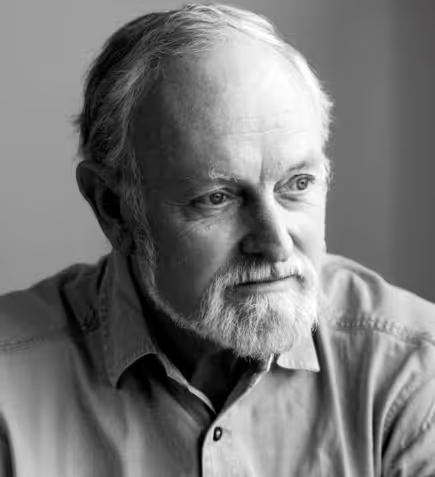
Richard Stilgoe has spent 50 years as a performer and writer in all forms of the performing arts. He wrote lyrics for Cats, Starlight Express, The Phantom of the Opera, The Magistrate and Road Rage, and music and lyrics for Bodywork, Brilliant the Dinosaur and Orpheus - the Mythical. His broadcasting work has earned him the New York Radio Festival Gold Award, three Monaco Festival Prizes and the Prix Italia. In 1997, he founded the Orpheus Centre in Surrey, where young disabled people prepare for independent living through a series of performing arts courses. He was high sheriff of Surrey in 1998, during which year he was awarded the OBE. He owns and drives a JCB, and has 5 children and 13 grandchildren. In the jubilee honours list of 2012, Richard was knighted for charitable service through the Alchemy Foundation.
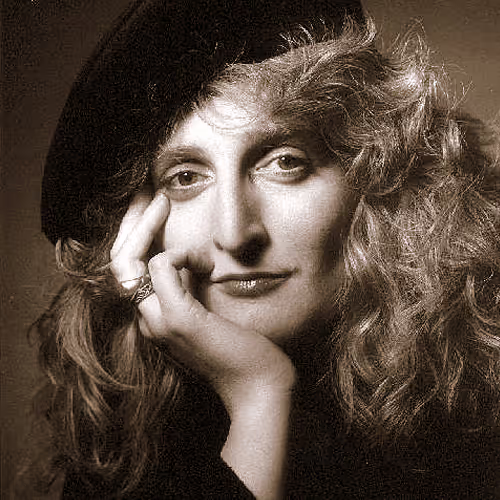
Maria Björnson designed extensively for theatre, opera and ballet. In 1979 and 1988, she was part of the British theatre design team awarded the Golden Troika Prazké Quadriennale.In 1983, she was awarded the Silver Medal for the Janacek Competition Prazké Quadriennale. In 1990, she was awarded TheObserver’s Experts’ Expert, the Designers’ Designer, in recognition of her contribution to theatre design. In 1999, she was awarded the 19th Franco Abbiati Prize. She received numerous awards for her The Phantomof the Opera designs, among them two Tony Awards, two Outer Critics Circle Awards and two Los Angeles Drama Critics Awards, all for Best Costume and Set. At the time of her death, Maria had completed designs for The Trojans (New York Met); The Little Prince (Houston Grand Opera) and the set designs for Il trovatore (Paris Opera). All three productions were directed by Francesca Zambello in 2003.Musical theatre includes: The Phantom of the Opera (Her Majesty’s Theatre, Broadway, and nationally and internationally); Aspectsof Love (Prince of Wales Theatre and Broadway) and Follies (Shaftesbury).Theatre includes: The Cherry Orchard (RNT); Measure for Measure, The BlueAngel, Camille, Hamlet, The Tempest, A Midsummer Night’s Dream and The Way of the World (RSC); Plenty, Phedre, Britannicus, The Lulu Plays and Creditors (Almeida); Cat on a HotTin Roof (Lyric, Shaftesbury Avenue); The Lonely Road (Old Vic); The CherryOrchard (Chichester Festival Theatre); Vieux Carre (Piccadilly); Hedda Gabler (Duke of York’s) and Antony andCleopatra (Globe).Opera includes: Don Giovanni, SleepingBeauty, Katya Kabanova and DerRosenkavalier (Royal Opera House); Macbeth (La Scala); Rise and Fall ofthe City of Mahagonny (Bastille Opera and Teatro del Maggio Musicale in Florence); Don Giovanni (Musica nel Chiostro, Batignano); Cosi fan tutte (Glyndebourne); Le nozze di Figaro (Geneva); Carmen, Die Walkure and Toussaint L’Ouverture (English National Opera); Donnerstag aus Licht (Royal Opera House, Stockhausen); The Queenof Spades (Netherlands Opera); Werther (Opera North); the Janaček Cycle (Welsh National Opera and Scottish Opera) and Don Giovanni, Hansel and Gretel and Die Meistersinger von Nurnberg (Scottish Opera).Maria Björnson is a registered trademark of the Prodan Romanian Cultural Foundation and is used under licence.
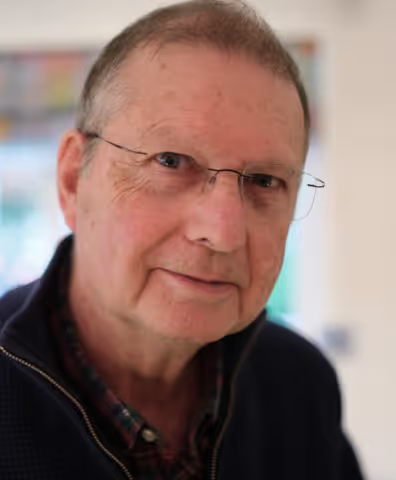
ORIGINAL LIGHTING DESIGNER OF “PHANTOM OF THE OPERA” IN 1986, WHICH HAS PLAYED TO OVER 140 MILLION PEOPLE IN 35 COUNTRIES AND 166 CITIES AROUND THE WORLD. HE FINDS IT EXTRAORDINARY TO WORK IN HER MAJESTY’S AGAIN, THE ORIGINAL HOME OF PHANTOM AND TO REPRODUCE THE GASLIGHT ATMOSPHERE OF THE 1800’S. PAINTING WITH LIGHT BUT NOW USING TODAYS CUTTING EDGE EQUIPMENT.HE WON 3 TONY AWARDS FOR LIGHTING DESIGN: “FOSSE”, “SUNSET BOULEVARD” “PHANTOM OF THE OPERA” ALSO WON DRAMA DESK, OUTER CIRCLE CRITICS, DORA MAVOR AWARD, LA OVATION AWARDS.IN LAS VEGAS HE DESIGNED “SIEGFRIED AND ROY” AT THE MIRAGE AND “PHANTOM OF THE OPERA” AND FOR EURODISNEY PARIS “BUFFALO BILLS WILD WEST SHOW”.OTHER WORLD CREDITS INCLUDE “SATURDAY NIGHT FEVER”, “SUNSET BOULEVARD”, “ASPECTS OF LOVE”, “OLIVER!”, “FIVE GUYS NAMED MOE”, “TIME THE MUSICAL”, “TORVILL AND DEAN”, “SHOWBOAT”, “SINATRA” LONDON PALLADIUM, “ACORN ANTIQUES” AND “JOSEPH AND THE AMAZING TECHNICOLOR DREAMCOAT”.OPERAS INCLUDE CARMEN, AIDA, LA BOHEME, TOSCA, MADAME BUTTERFLY, I PAGLIACCI AT THE ROYAL ALBERT HALL.ANDREW HAS BEEN CONCERT DESIGNER FOR ARTISTES JULIE ANDREWS, SHIRLEY BASSEY AND THE LATE BING CROSBY. HE HAS LIT MANY INTERNATIONAL PROJECTS FOR IMAGINATION DESIGN AND CONCEIVED THE DRAMATIC FLOODLIGHTING OF THE “LLOYDS OF LONDON” BUILDING.HE DESIGNED THE OPENING AND CLOSING CEREMONIES OF THE MANCHESTER COMMONWEALTH GAMES.HE IS A TRUSTEE OF “LIGHT RELIEF” A CHARITY FOR THEATRE TECHNICIANS ANDREW LIVES IN LONDON.
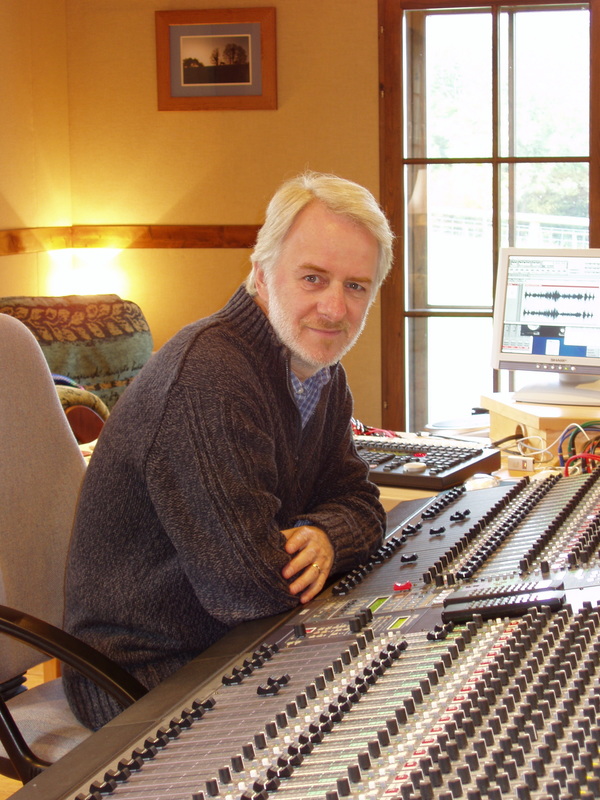
With the exception of the Theatre Royal Drury Lane, the site of His Majesty’s has been associated with a playhouse longer than any other theatre in London. Since 1705 there have been four theatres on the site of His Majesty’s, and numerous name changes and its early history as an opera house makes it a fitting home for the long-running success of The Phantom of the Opera.
The current building was erected by the famous Actor-Manager Sir Herbert Beerbohm Tree to house his spectacular productions of Shakespeare and literary adaptations and opened in 1897.
The first theatre on this site, named ‘The Queen’s’ with Queen Anne’s permission, opened in 1705 under the management of John Vanbrugh and William Congreve with an Italian opera called The Loves of Ergasto. Handel was employed as composer in 1711 and conducted his first opera for The Queen’s, Rinaldo, which firmly established the venue as an opera house, presenting top class Italian opera for the first time in this country.
In 1714 The building was re-named The King’s Theatre on the accession of King George I. Until this first building was destroyed by fire in 1789 it presented opera but amongst other important musical events the building hosted Handel’s Esther, the first oratorio to be heard in England.
1791 saw the opening of a new King’s Theatre, designed by Michael Novosielski, under the management of William Taylor. Performance highlights in this building include the first of Mozart’s operas ever to be heard in London when La Clemenza de Tito, was produced in 1806. Cosi Fan Tutti and The Magic Flute were also first heard here in 1811. Other opera premiere’s were Don Giovanni (1817) and The Barber of Seville (1818).
In 1816, Madame Vestris sang at The King’s and from 1820 to 1827 the manager John Ebers presented seasons with the stars of the Parisian Ballet, considerably increasing the popularity of the art form.
On the accession of Queen Victoria in 1837, the theatre’s name was changed to Her Majesty’s Theatre, Italian Opera House. Star performers attracted to the venue included The Swedish Nightingale, Jenny Lind, who in 1847 made her debut in Meyerbeer’s Roberto and sang in Bellini’s Norma for a state visit by Queen Victoria. Within this theatre Beethoven’s Fidelio was performed for the first time in this country in 1851 and in 1853 the London premiere of Gounod’s Faust was sung in Italian under the management of Colonel John Mapleson.
The theatre was once again destroyed by fire in 1867 and a new building designed by Charles Lee was built within two years but stood empty until 1875 when it was occupied by the Evangelist meetings of Moody and Sankey rather than any legitimate theatre. Opera eventually returned and subsequent productions included the British premier of Bizet’s Carmen (1878) and the first complete performance of Wagner’s Ring Cycle (1882). The last operatic performance in this building was Rigoletto (1889) and other diverse attractions included a Sarah Bernhardt season and a boxing tournament before a Christmas pantomime closed the theatre (1890).
Her Majesty’s Theatre was demolished in 1892 and four years later, having acquired the site, the actor Herbert Beerbohm Tree laid the foundation stone of his new theatre.
The new Her Majesty’s Theatre, designed by CJ Phipps, opened in 1897 with Gilbert Parker’s Seats of the Mighty. During his 18 years of management, Tree established the building as a playhouse with more than 46 of his own productions, including Shakespeare, adaptations of novels and melodramas including Oliver Twist (1905) with Tree as Fagin and Henry VIII (1910) starring Arthur Bouchier and Violet Vanbrugh.
In 1901, the theatre was renamed His Majesty’s with the accession of King Edward VII and Tree appeared as Malvolio in Twelfth Night and Beau Brummell in The Last of the Dandies. That year Sarah Bernhardt also returned to London in a season of French dramas.
As part of the theatre design, Tree had included a flat for himself under the copper dome of the roof and in 1904 he instigated a drama school in this Dome Room, which eventually became the Royal Academy of Dramatic Art.
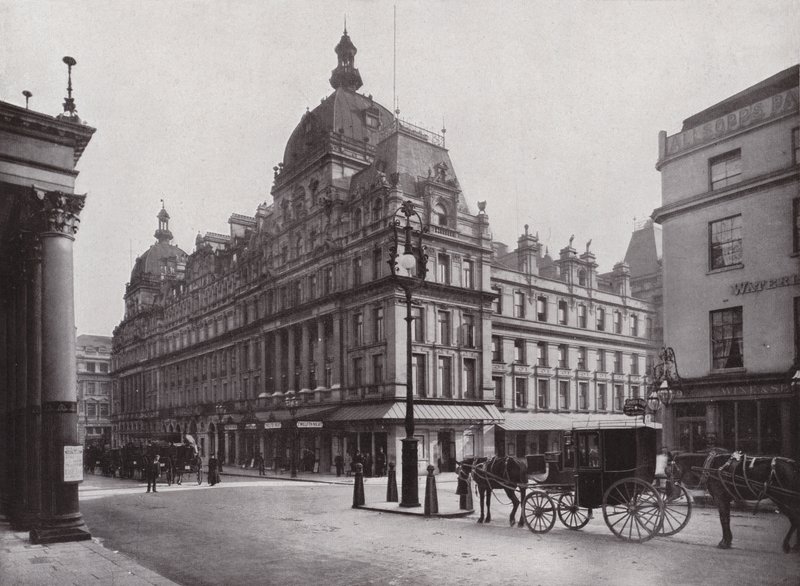
From September 1907, whilst Herbert Beerbohm Tree was touring America, Oscar Asche took over the management of the theatre and when Tree died during the run of Asche’s record-breaking production of Chu Chin Chow the theatre was bought by Joseph Benson who installed George Grossmith and JAE Malone as the new managers.
Other important productions included the Coronation Gala Performance for King George V (1911), George Bernard Shaw’s original production of Pygmalion (1914) with Mrs Patrick Campbell and the musical Chu Chin Chow (1916), produced by and starring Oscar Asche, which had a record-breaking run of 2,238 performances and Henry Ainley and Isabel Jeans in Basil Dean’s production of Hassan (1923). Productions of Shakespeare’s plays after Tree’s death included Lady Tree, aged 70 years, returning to her husband’s theatre in The Merry Wives of Windsor (1933) and the comedian George Robey playing Falstaff in Henry IV (1935).
The size of the auditorium means that the theatre makes a suitable home for both musicals and drama and plays that have enjoyed successful runs include Noël Coward’s Conversation Piece (1934), Ivor Novello and Vivien Leigh in The Happy Hypocrite (1936), JM Barrie’s final play The Boy David (1936), Robert Morley with Peggy Ashcroft in his own play Edward My Son (1947), The Teahouse of the August Moon (1954) introduced Eli Wallach to British audiences, the National Theatre’s Amadeus (1981) by Peter Shaffer with Frank Finlay as Salieri had an extended run of 15 months and Donald Sinden starred in a riotous version of The Scarlet Pimpernel (1985) which transferred from Chichester.
The theatre has also been home to two productions of JB Priestley’s The Good Companions. The first in 1931 starred John Gielgud as Inigo Jollifant while in 1974 John Mills took the role in Andre Previn’s musical version of the story which also featured Judi Dench.
Andrew Lloyd Webber’s musical version of The Phantom of the Opera opened on the 9th October 1986. Produced by Cameron Mackintosh, the original cast was led by Michael Crawford and Sarah Brightman. Subsequent casting includes Claire Moore, Dave Willetts, Michael Ball, John Barrowman, John Owen Jones, Mike Sterling, Ramin Karimloo and Earl Carpenter.
In 2000 the Holmes à Court family sold Stoll Moss Theatres Ltd to Andrew Lloyd Webber and Nat West Equity Partners (later Bridgepoint Capital). When this new purchase was combined with Andrew’s existing owned and part-owned theatres, Really Useful Theatres Limited was born. Bridgepoint Capital was later bought out in 2005, meaning His Majesty’s was 100% owned by The Really Useful Group. Really Useful Theatres was later renamed to LW Theatres in 2018.
On 6 May 2023 the theatre was renamed once again to His Majesty’s Theatre to mark The Coronation of Their Majesties King Charles III and Queen Camilla.
Today, The Phantom of the Opera is still playing to capacity, making it the longest running and most successful production in the theatre’s history.